
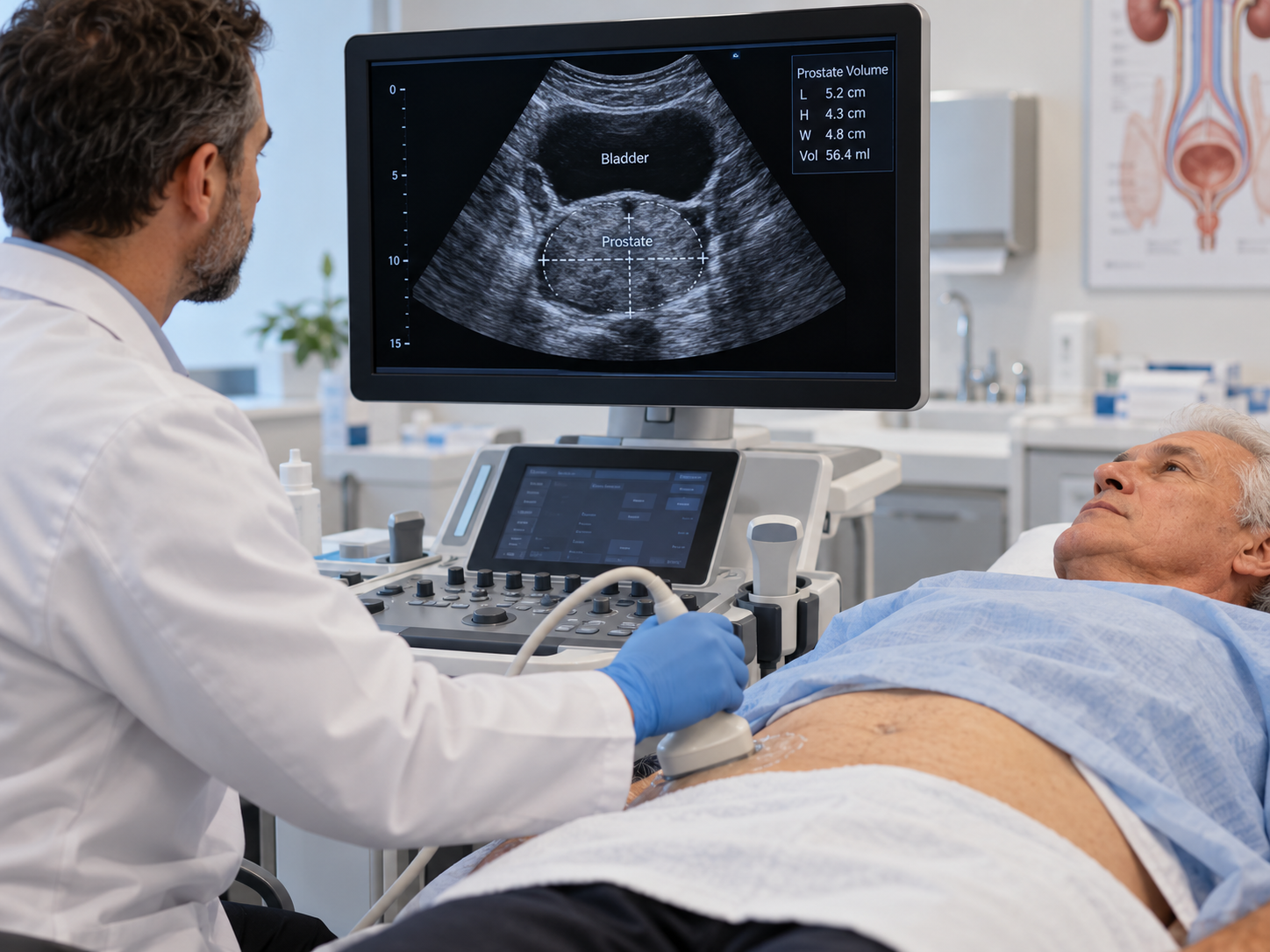
Prostate enlargement is one of the most common conditions affecting men as they grow older, and it often brings changes in urinary habits that can be confusing or concerning. It is important to understand, however, that urinary symptoms are not automatically a sign of prostate enlargement—infections, bladder problems, certain medications, and other conditions, including prostate cancer, can cause similar symptoms. This article explains benign prostatic hyperplasia (BPH) in detail, including when evaluation may be helpful for those exploring the best prostate doctor near me Jayanagar.
What Is Prostate Enlargement (BPH)?
The prostate is a small gland that sits below the bladder and surrounds part of the urethra, the tube through which urine passes out of the body. Benign prostatic hyperplasia, commonly called BPH, refers to the non-cancerous growth of prostate tissue that tends to occur with age.
As the prostate enlarges, it can gradually press on or narrow the urethra, which may affect the flow of urine. This is why many men with BPH notice changes in how they urinate rather than pain in the prostate itself. It is important to note that BPH is benign and is different from prostate cancer, although both conditions can sometimes cause overlapping urinary symptoms, which is why proper evaluation matters.
What Are the Early Symptoms of an Enlarged Prostate?
What are the early symptoms of an enlarged prostate? Early symptoms are usually related to changes in urinary flow and bladder habits rather than pain. Common symptoms include:
- Frequent urination during the day
- Increased need to urinate at night (nocturia)
- A sudden, strong urge to urinate
- Difficulty starting the urine stream
- A weak or slow urinary stream
- Stream that stops and starts (intermittent flow)
- Straining to urinate
- A feeling that the bladder has not completely emptied
- Dribbling of urine after finishing
Symptoms can vary significantly between individuals, and prostate size does not always correspond directly to symptom severity—some men with a mildly enlarged prostate report bothersome symptoms, while others with more significant enlargement report relatively few. Persistent or worsening symptoms are worth discussing with a urologist.
What Causes Prostate Enlargement?
Ageing and Hormonal Changes
BPH becomes more common with advancing age, and hormonal changes that occur over a man's lifetime are believed to play a role in prostate tissue growth.
Family History and Genetic Factors
Men with a family history of BPH may have a higher likelihood of developing the condition themselves, suggesting a genetic component in some cases.
Lifestyle and Metabolic Factors
Some research suggests associations between obesity, metabolic health, and prostate enlargement, though these relationships are complex and not fully established as direct causes. Lifestyle factors are generally considered contributing influences rather than sole causes of BPH.
Is an Enlarged Prostate the Same as Prostate Cancer?
Is an enlarged prostate cancer? No. BPH is a benign condition, meaning it is not cancerous, and having BPH does not mean a man has or will develop prostate cancer. However, because both conditions can cause similar urinary symptoms and can occasionally coexist, a urologist may recommend specific tests, such as PSA testing, to help clarify the underlying cause of symptoms and rule out other conditions.
How Is BPH Diagnosed?
How is BPH diagnosed? Diagnosis usually begins with a detailed medical history and symptom assessment, followed by a physical examination that may include a digital rectal examination to assess the size and texture of the prostate. Additional tests commonly used include:
- Urine tests, to check for infection or blood
- Blood tests, including kidney function assessment where relevant
- PSA (prostate-specific antigen) testing, which can help evaluate prostate health, though PSA levels can be influenced by several prostate-related conditions and should always be interpreted alongside clinical findings
- Ultrasound, to assess prostate size and kidney health
- Post-void residual urine measurement, to check how well the bladder empties
- Uroflowmetry, which measures the speed and pattern of urine flow
- Cystoscopy or additional imaging, when clinically indicated
The exact combination of tests varies from patient to patient, based on symptoms and clinical findings.
Prostate Enlargement Treatment Options
Treatment for BPH depends on symptom severity, impact on quality of life, prostate size, urinary flow, post-void residual urine, presence of complications, the patient's age and overall health, and individual preferences.
Watchful Waiting and Monitoring
For men with mild symptoms that are not significantly affecting daily life, a urologist may recommend watchful waiting with periodic review rather than immediate medication or surgery.
Lifestyle and Behavioural Measures
Certain practical measures may help manage symptoms, such as adjusting evening fluid intake, reducing excessive caffeine if it worsens urgency, moderating alcohol consumption, avoiding prolonged bladder holding, and reviewing medications that may worsen urinary symptoms with a doctor. These measures support symptom management but do not reverse prostate enlargement itself.
Medicines for BPH
What medicines are used for BPH? Commonly used medication categories include:
- Alpha-blockers, which relax muscles in the prostate and bladder neck to improve urine flow
- 5-alpha-reductase inhibitors, which can help reduce prostate size over time in some patients
- Combination therapy, using both drug classes together in selected cases
Medication choice depends on individual symptoms, prostate characteristics, and medical history, and all medicines can carry potential side effects that should be discussed with a treating doctor.
Minimally Invasive Treatment Options
Selected patients may be candidates for minimally invasive procedures, depending on prostate anatomy, symptom severity, and available technology. Suitability is assessed on an individual basis.
Surgical Treatment for BPH
When does BPH require surgery? Surgery may be considered when symptoms are severe, medications are not effective, or complications develop. Options include TURP (transurethral resection of the prostate) and laser-based prostate procedures, among other endoscopic techniques, depending on clinical circumstances. No single procedure is universally superior for all patients; the appropriate option depends on individual evaluation.
When Does an Enlarged Prostate Need Treatment?
Does every enlarged prostate require treatment? Not necessarily. Treatment decisions are based on symptom severity, quality-of-life impact, urinary flow measurements, prostate size, residual urine after urination, response to any medicines already tried, presence of complications, overall health, and patient preference. Some men live with mild BPH for years without needing active treatment, while others require earlier intervention.
When Should You See a Urologist?
When should I see a urologist for prostate symptoms? Prompt medical attention is recommended for:
- Inability to urinate (urinary retention)
- Severe difficulty passing urine
- Blood in the urine
- Recurrent urinary tract infections
- Rapidly worsening urinary symptoms
- Significant bladder discomfort
- Symptoms suggesting possible kidney involvement, such as reduced urine output with swelling
Milder, gradually developing symptoms can generally be evaluated through a routine urology appointment rather than emergency care.
How Can BPH Symptoms Be Managed?
Alongside medical treatment, several supportive measures may help manage day-to-day symptoms: timing fluid intake appropriately, limiting caffeine if it worsens urgency or frequency, moderating alcohol, staying physically active, maintaining a healthy weight, managing associated health conditions such as diabetes, reviewing medications with a healthcare professional, and attending regular follow-up appointments. These measures support symptom control but should not be viewed as a way to reverse prostate enlargement.
Prostate Treatment in Bangalore
Bangalore, including areas such as Jayanagar, has a growing population of men seeking evaluation for urinary and prostate-related symptoms. Prostate Treatment in Bangalore typically involves a structured evaluation—history, examination, relevant blood and urine tests, and imaging where required—followed by an individualised treatment plan. Patients from Jayanagar and surrounding neighbourhoods often seek this kind of assessment when urinary symptoms begin to affect daily routine or sleep.
Prostate Treatment in Jayanagar
For residents of Jayanagar, Bangalore, enlarged prostate treatment in Jayanagar is accessible through local urology consultation, allowing evaluation without the need to travel far for specialist care. A thorough assessment helps determine whether symptoms are related to BPH or another underlying urinary or prostate condition. Men considering prostate enlargement treatment in Jayanagar are encouraged to seek a consultation-based evaluation rather than self-diagnosing based on symptoms alone, since several conditions can present similarly.
Why Consult an Experienced Urologist for Prostate Symptoms?
A urologist plays a central role in evaluating urinary symptoms, identifying possible underlying causes, assessing prostate health through appropriate tests, discussing medication options, determining whether a procedure may be necessary, and monitoring how a patient responds to treatment over time. Dr. Uday Bhaskar, Urologist and Andrologist, provides evaluation and management for men experiencing symptoms of prostate enlargement, drawing on clinical assessment tailored to each patient's history and test findings. Men researching a prostate specialist in Bangalore can expect this kind of individualised, evidence-based evaluation as a starting point for care.
Conclusion
BPH is a common condition among ageing men, but it should not be self-diagnosed based on symptoms alone, since several other conditions can present similarly. Paying attention to early urinary symptoms, seeking timely diagnosis, and understanding that treatment ranges from monitoring to medication to procedures can help men make informed decisions about their urological health. Treatment should always be individualised, and timely evaluation by a urologist can help manage persistent or troublesome symptoms effectively.
Medical Disclaimer: The information provided in this article is for general educational purposes only and is not a substitute for professional medical evaluation, diagnosis, or treatment. Men with persistent, worsening, or troublesome urinary symptoms should consult a qualified healthcare professional or urologist for individual assessment.