
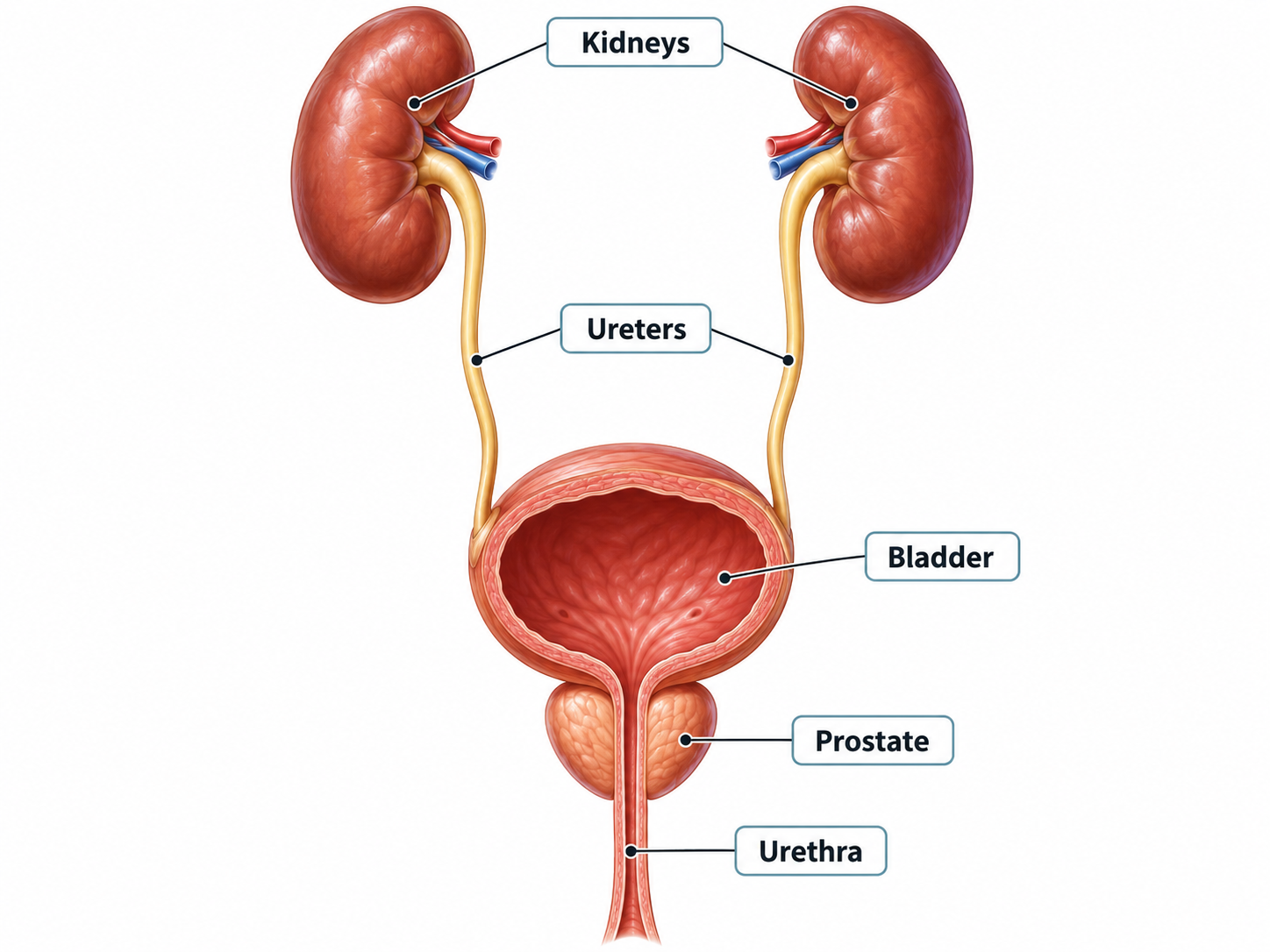
Frequent urination in men is a common concern, and it can arise from something as simple as drinking more fluids, or it can point to conditions such as prostate enlargement, urinary infection, diabetes, or an overactive bladder. Because the possible causes range from harmless to clinically significant, persistent or troublesome symptoms should be properly evaluated rather than self-diagnosed. This article explains what frequent urination means, its common causes, how it relates to the prostate and bladder, how doctors investigate it, and when it is appropriate to consult a Urologist in Jayanagar, Bangalore/Bengaluru, such as Dr. Uday Bhaskar .
What Is Frequent Urination in Men?
Frequent urination means needing to pass urine more often than usual, which can happen during the day, at night, or both. It is different from simply producing a larger volume of urine — a man can urinate frequently in small amounts, or less often but in larger volumes, and each pattern can point to different underlying causes. Waking up repeatedly at night to urinate is called nocturia, and it is one of the more noticeable forms of urinary frequency, since it disrupts sleep. There is no single "normal" number of times a man should urinate in a day, because this varies with fluid intake, age, caffeine and alcohol consumption, certain medications, and individual habits. Occasional increased urination — for example after drinking more water than usual — is often temporary. However, urinary frequency that is persistent, worsening, or bothersome enough to affect daily life or sleep is a reasonable reason to seek medical evaluation.
What Causes Frequent Urination in Men?
Several conditions can contribute to urinary problems in men, and identifying the specific cause is more useful than simply treating the symptom in isolation.
- Benign Prostatic Hyperplasia (BPH): BPH is a non-cancerous enlargement of the prostate gland that is common as men age. As the enlarged prostate presses on the urethra, it can cause frequency, urgency, nocturia, and a range of other lower urinary tract symptoms.
- Urinary Tract Infection (UTI): Infections of the bladder or urinary tract can cause frequency and urgency, along with burning during urination, cloudy or strong-smelling urine, pelvic discomfort, and sometimes fever or chills.
- Overactive Bladder: This condition involves urgency, frequency, and nocturia, and in some cases, urge incontinence — a sudden strong need to urinate that is difficult to control.
- Diabetes: High blood glucose levels can increase urine production and thirst, leading to more frequent urination. Not everyone with frequent urination has diabetes, but it remains a cause worth ruling out, particularly with other symptoms.
- Excessive fluid intake: Drinking large volumes of water or other fluids naturally increases how often a person needs to urinate.
- Caffeine and alcohol: Both can increase urine production or worsen urgency and frequency in some individuals.
- Certain medications: Diuretics and some other medicines can increase urination. Patients should never stop a prescribed medicine without first discussing it with their doctor.
- Kidney stones: Stones, particularly when located lower in the urinary tract, can sometimes cause frequency or urgency, along with pain or blood in the urine.
- Prostatitis: Inflammation or infection of the prostate can cause urinary symptoms along with pelvic discomfort or pain.
- Less common causes: Certain neurological conditions or other bladder-related disorders can also contribute to urinary frequency, though these are less common and are generally identified through detailed evaluation.
Can Prostate Problems Cause Frequent Urination?
Yes, prostate conditions are among the most common causes of frequent urination in men, particularly with increasing age. BPH is the most frequent prostate-related cause, and it is benign — it is not prostate cancer, and having BPH does not mean cancer is present. Prostatitis, an infection or inflammation of the prostate, can also cause urinary symptoms along with discomfort. Prostate cancer is a separate condition that may sometimes need evaluation, but urinary symptoms alone cannot be used to diagnose or rule out prostate cancer; only appropriate clinical assessment can do that. Common prostate symptoms associated with these conditions include a weak urinary stream, difficulty starting urination, straining, an interrupted stream, a feeling of incomplete bladder emptying, dribbling after urination, along with urgency, frequency, and nocturia.
Can Bladder Problems Cause Frequent Urination?
Bladder problems are another important category of causes. An overactive bladder can create a frequent and urgent need to urinate even when the bladder is not full. Bladder infections cause similar symptoms along with burning or discomfort. Bladder stones, though less common, can irritate the bladder lining and lead to frequency. Incomplete bladder emptying — where some urine remains in the bladder after urinating — can also result in the bladder filling up again more quickly than expected, contributing to frequent trips to the bathroom. General bladder irritation, from various causes, can produce similar symptoms as well.
Why Do Men Urinate Frequently at Night?
Nocturia, or frequent nighttime urination, can result from several overlapping factors. BPH is a common contributor, since prostate enlargement can affect bladder emptying and capacity. Drinking more fluids in the evening, or consuming caffeine or alcohol before bed, can also increase nighttime urination. Diabetes and overactive bladder are additional possible causes. Sleep-related factors, certain medications (including some taken for blood pressure), and other underlying medical conditions can also play a role. Because nocturia can meaningfully affect sleep quality and daily functioning, it is often worth discussing with a doctor if it becomes frequent or persistent.
How Is Frequent Urination Diagnosed?
Diagnosis is individualised and depends on the patient's specific symptoms and history.
- Medical history: The doctor typically asks about the duration of symptoms, daytime and nighttime frequency, fluid and caffeine/alcohol intake, urinary stream, urgency, pain or burning, blood in urine, current medications, and any previous urinary conditions.
- Physical examination: This may include an abdominal and genital examination where clinically appropriate.
- Prostate evaluation: A digital rectal examination may be performed when clinically indicated to assess the prostate.
- Urine tests: Urinalysis, and urine culture when infection is suspected, can help identify infection or other abnormalities.
- Blood tests: Blood glucose, kidney function tests, and PSA (prostate-specific antigen) testing may be considered where clinically appropriate. PSA results should never be interpreted in isolation and are always considered alongside other clinical findings.
- Ultrasound: Kidney and bladder ultrasound can assess urinary tract anatomy, and prostate assessment along with measurement of post-void residual urine (urine remaining after urination) may also be performed.
- Uroflowmetry: This test measures the speed and pattern of urine flow.
- Additional testing: For selected patients, cystoscopy, urodynamic testing, or further imaging may be recommended. Not every patient requires every test — the approach is tailored to the individual case.
How Is Frequent Urination Treated?
Treatment depends entirely on the underlying cause identified during evaluation.
- Lifestyle and behavioural measures: These may include adjusting fluid intake, avoiding large amounts of fluid close to bedtime, limiting caffeine if it worsens symptoms, moderating alcohol, bladder training for selected patients, maintaining a healthy weight and activity level, and managing underlying conditions such as diabetes. These measures can help, but they are not a universal cure for every cause of frequent urination.
- BPH treatment: Options range from observation and lifestyle measures to medications such as alpha-blockers or 5-alpha-reductase inhibitors (sometimes in combination), and, for selected patients, minimally invasive procedures or surgery.
- UTI treatment: Confirmed bacterial infections are generally treated with antibiotics prescribed after appropriate clinical evaluation; self-medicating with antibiotics without a diagnosis is not advisable.
- Overactive bladder treatment: This may involve behavioural measures, bladder training, pelvic floor approaches, and medications for selected patients.
- Other causes: Treatment is directed at the underlying condition — for example, diabetes management, treatment of kidney stones, or management of prostatitis.
When Should You See a Urologist?
Consultation is appropriate for persistent frequent urination, increasing nighttime urination, a weak urinary stream, difficulty starting urination, a feeling of incomplete bladder emptying, recurrent urinary infections, blood in the urine, recurrent urinary symptoms, urinary leakage, pelvic or prostate-related discomfort, known prostate enlargement, or symptoms that interfere with sleep or daily life. Men searching for a urologist near me Jayanagar or a urologist nearby Jayanagar for these symptoms are generally looking for exactly this kind of evaluation. Early assessment can help identify the underlying cause and guide appropriate management.
Warning Signs Requiring Prompt Medical Attention
Certain symptoms need urgent evaluation: inability to pass urine, severe lower abdominal pain with urinary retention, significant or persistent blood in the urine, fever or chills with urinary symptoms, severe flank or back pain with fever, persistent vomiting with urinary symptoms, or any sudden, significant deterioration. Fever combined with urinary obstruction can represent a potentially serious infection and requires prompt medical assessment.
What Can You Expect During a Urology Consultation?
A typical consultation involves a discussion of your symptoms and medical history, a relevant physical examination, urine testing, and blood tests where appropriate. Prostate evaluation may be performed when clinically indicated, along with ultrasound or bladder assessment if needed. Based on these findings, the doctor discusses possible causes and appropriate treatment options tailored to your situation.
Urologist in Jayanagar
Men in Jayanagar and surrounding parts of Bengaluru dealing with persistent urinary frequency, prostate symptoms, bladder problems, or other urinary concerns may benefit from a structured urological evaluation. A Urologist in Jayanagar can help distinguish between common, easily managed causes and conditions that need closer monitoring or active treatment, based on a proper clinical assessment rather than symptoms alone.
Why Consult an Experienced Urologist for Persistent Urinary Symptoms?
Persistent or worsening urinary symptoms benefit from assessment by an experienced urologist in Bangalore who can take a structured history, examine relevant findings, and order appropriate investigations rather than assuming a single cause. Dr. Uday Bhaskar , practising as a urologist and andrologist, evaluates men with urinary symptoms individually, using history, examination and relevant tests to guide diagnosis and management. Patients researching a best urology doctor in Jayanagar are typically looking for a qualified, experienced clinician for a proper evaluation — this article does not claim that any individual doctor is objectively "the best," since treatment needs and patient experience vary from person to person.
Role of a Urologist
A urologist's role includes evaluating urinary symptoms, assessing prostate health, diagnosing urinary tract conditions, investigating bladder symptoms, ordering appropriate tests, managing BPH, treating urinary infections and other urinary disorders, evaluating kidney and ureteric conditions, determining when a procedure may be appropriate, and providing ongoing follow-up care.
Conclusion
Frequent urination is a symptom, not a diagnosis in itself, and it can arise from a wide range of causes. BPH is one of the more common causes in older men, but urinary tract infections, diabetes, overactive bladder, certain medications, and other conditions can also contribute. Because the underlying cause determines the appropriate treatment, persistent or bothersome urinary symptoms deserve a proper medical evaluation rather than self-diagnosis. A urologist can help identify the cause through structured history-taking, examination and relevant tests, and guide appropriate management from there.
Medical Disclaimer: The information provided is for general educational purposes and is not a substitute for professional medical evaluation, diagnosis or treatment. Frequent urination can have several causes, and appropriate assessment is needed to determine the underlying condition. Men with persistent, worsening or troublesome urinary symptoms should consult a qualified healthcare professional or urologist.